Read about how Allegheny County responded to an 82% increase in reports of need to Older Adult Protective Services.
Click here to read more information about older adult protective services and access real-time data.


Read about how Allegheny County responded to an 82% increase in reports of need to Older Adult Protective Services.
Click here to read more information about older adult protective services and access real-time data.

Since 2016, the Allegheny County Department of Human Services (DHS) in Pennsylvania has utilized the Allegheny Family Screening Tool (AFST), which assists child welfare call screening caseworkers in their assessment of general protective service (GPS) referrals regarding potential child maltreatment.
This report reviews the research evidence on algorithms in child welfare, specifically focusing on the causal impacts of the AFST and comparable predictive risk models (PRMs). It begins by summarizing the influence of these tools on child welfare decisions. The report then explores the discrepancies between perceived and actual effects of these models, highlighting the importance of bridging the gap between perception and reality to alleviate concerns and maximize the effectiveness of these tools.
The impacts of predictive risk models in child welfare must be compared with alternative approaches to augmenting call screening caseworker decision-making. Traditional risk assessments in child welfare have been largely manual, prone to inconsistencies, and often omit critical information. Before implementing the AFST, Allegheny County did not employ any structured risk assessment.
The main conclusions from recent research on the AFST are:
The application of algorithms to support decision-making, especially in sensitive areas like child welfare, mandates high transparency. It is critical that the complexities of predictive risk models are communicated clearly to all stakeholders to maintain trust and prevent misuse. DHS is committed to keeping the public informed about the use and impact of algorithms at the Department and draw upon current research to shape the implementation of these tools in the field.
Read more about AFST here.

The Allegheny County Department of Human Services (DHS) conducts a Community Need Index (CNI) to identify specific areas that are in greater need, and face larger socioeconomic barriers, relative to others. The newest version of the CNI index ranks neighborhoods by need level by looking at:
The researchers used a census tract level to break up the region and assess needs. Census tracts are static, relatively small subdivisions of a county.
An interactive map allows users to view and extract data from the 2024 CNI (which uses 2022 five-year data estimates and totals). The new report focuses on all of Allegheny County, examines changes in need over time, and places emphasis on the connection between race and community need. Earlier reports are linked below.
The geographic dimensions of community need can help inform many aspects of DHS’s strategic planning and resource allocation decisions, such as decisions on where to locate Family Centers or new after-school programs.
For more information, you can read previous reports below. Or you can reach out to DHS-Research@alleghenycounty.us with any questions.

County human services includes programs from over 300 community-based agencies and is delivered by social workers, peers, and outreach staff working all throughout the county. These staff run out-of-school-time programs, answer hotlines, investigate reports of potential harm to children and vulnerable adults, deliver meals to seniors and run Senior Centers, make home visits to families with newborns, and do the administrative work that makes our human services run efficiently.
This report highlights the 2023 accomplishments that stood out. There are many, many other achievements that people told us about. We chose the ones that made the biggest difference.

Allegheny County Department of Human Services (DHS) believes that appropriate sharing of client information is essential to the provision, continuity and overall quality of care provided to DHS clients. It has created a number of tools and mechanisms to facilitate this sharing, including the creation of tools for contracted providers to access information on clients they are serving and mechanisms for providers to safely and security share client information back with DHS. Read more about this here and access the tools through the below links.
Links to clientivew, a tool for individual care coordination, and provider connect, a tool for to support provider decision-making, are found here. You can also access data exchange, one of the tools that providers can use to securely share information back with DHS.
If you are a contracted provider with DHS, you can request access to provider tools through DHS’s application support portal.
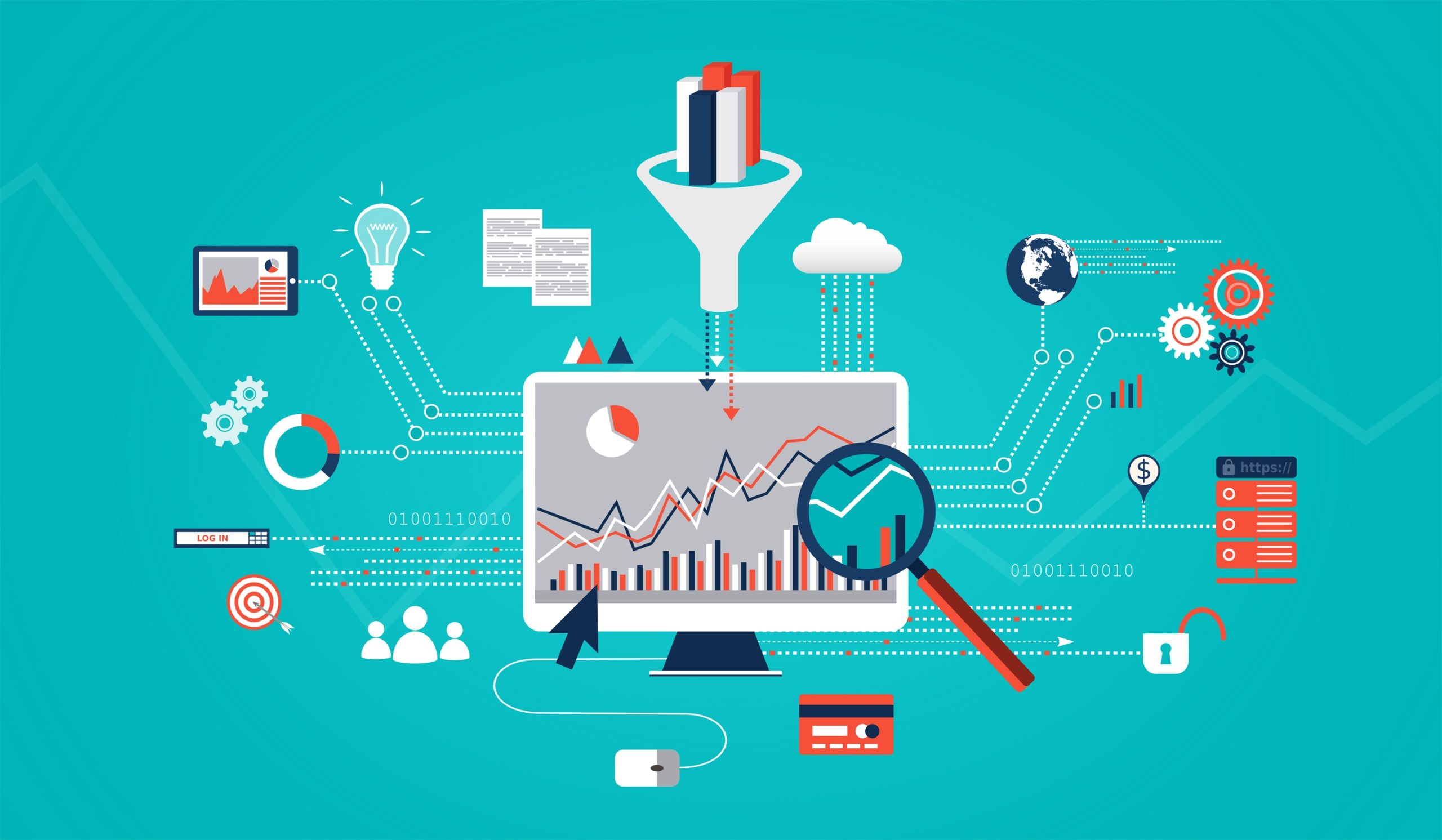
The Allegheny County Data Warehouse brings together and integrates client and service data from a wide variety of sources both internal and external to the County.
The Data Warehouse was created by consolidating publicly-funded human services data (e.g., behavioral health, child welfare, developmental supports, homelessness and aging) and, over time, expanded to include data from other sources. The Data Warehouse was made possible with support from the Human Service Integration Fund, a flexible funding pool created by a coalition of local foundations for the purpose of supporting integration and innovation within DHS.
The Data Warehouse was designed primarily to improve services to clients, but also to improve the ability of workers to perform their jobs and to support management decisionmaking; it is also intended to be available as a community resource, making data and information publicly available whenever possible.

In its responsibility for administering publicly-funded human services, Allegheny County Department of Human Services (DHS) plans for the allocation of more than $1B in areas that span behavioral health, children and families, aging, housing and homelessness, and intellectual disability and autism services.
DHS planning activities are ongoing and iterative. They include:
The County Human Services Plan consolidates planning requirements for categorical components of the Human Services Block Grant, including Mental Health Community Base-Funded Services, Behavioral Health Services Initiative (BHSI), Intellectual Disabilities Community Base-Funded Services, Act 152 of 1988 Drug and Alcohol Services, Homeless Assistance Program Funding, and Human Services Development Funds. It is submitted annually to the PA Department of Human Services, 60 days after the agency releases its annual bulletin (usually in the summer).
The Needs-Based Plan and Budget articulates Allegheny County’s priorities, planned services, and resource needs for serving children and families – in particular those children and families who are involved with, or at risk of involvement with, the child welfare and juvenile justice systems. It is submitted annually to the PA Department of Human Services, Office of Children, Youth & Families (the budget narrative submission deadline is August 15th every year).
State Fiscal Year (SFY) 2027-2028
Older plans:
The Allegheny County Area Agency on Aging (AAA) is part of a nationwide aging network led by the U.S. Administration on Community Living and the Pennsylvania Department on Aging (PDA). Every four years, PDA requires each of the Commonwealth’s fifty-two (52) Area Agencies on Aging to submit an action plan for the following four years. This Four-Year Plan considers the demographic trends of the region, the changing needs of the consumers, and the current services provided by the Allegheny County AAA.
Additionally, the Allegheny County AAA may release other strategic documents, including yearly program updates, budget prospectuses and annual reports.
Allegheny County DHS is the designated community action agency for the receipt of the County’s (outside the City of Pittsburgh) Community Services Block Grant (CSBG) funds. CSBG is a federally funded block grant from the US Department of Health and Human Services, Administration for Children & Families, Office of Community Services that supports services aiming to alleviate the causes and conditions of poverty in under resourced communities. CSBG recipients are required to conduct a needs assessment and develop a strategic plan no less than every 5 years.
Allegheny County DHS, through its Office of Community Services, is the designated Infrastructure Organization and United Funding Agency for the Allegheny County Continuum of Care (CoC) – the network of services and stakeholders engaged in making homelessness rare, brief and non-recurring. Starting in 2016, the CoC underwent a community planning process to create its strategic plan. The strategic planning process is summarized in Preventing and Ending Homelessness – Community Strategic Planning Process. Principles guiding the strategic plan can be found in the Guiding Principles: Allegheny County Plan to Prevent & End Homelessness. The working board of the CoC, the Homeless Advisory Board (HAB), voted to accept the plan on July 25, 2017.
In 2022, staff at the Urban Institute partnered with the Allegheny County DHS and the Western Pennsylvania Regional Data Center (WPRDC) to pilot synthetic data generation at the local level, to help understand the unique challenges that might face state and local governments in generating synthetic data. Each record in the synthetic dataset represents a simulated individual, or record, who received at least one service from the Allegheny County DHS in 2021. The synthetic data were designed such that records aggregated by service represent the original data. Read more here about synthetic data.
The Department of Human Services (DHS) in Allegheny County, Pennsylvania, serves one in five residents of the county every year through child welfare services, behavioral health services, aging services, developmental support services, homeless and housing supports, and family strengthening and youth supports. In the process, data are collected about these services and the population using them. These data are integrated at the individual level to allow for better care coordination, operational improvements, and program evaluation. Because of the dataset’s sensitive nature, it cannot be widely shared at an individual level, so synthetic data are used in the real dataset’s place—allowing the data to be publicly shared and helping stakeholders, including researchers, service providers, and members of the public, understand these populations better.

At the Allegheny County Department of Human Services (DHS), we work with more than 400 community organizations to keep children and older adults safe from abuse and neglect, connect them to effective mental health and substance use treatment, provide housing for those without shelter and more. As stewards of more than $1 billion in public funding, we constantly scrutinize the programs and services we fund to ensure that they are most effectively helping clients make measurable progress toward their goals. We pay close attention to the data, including client feedback and surveys, and use these data to determine when it’s in clients’ best interest to modify existing programs or launch new ones. Recently, we have been increasing our commitment to the use of randomized pilots to measure the effectiveness of various strategies and determine how to make the best use of available resources. In keeping with our values of transparency and the appropriate use of data for decision-making, we want to share our thinking behind the use of pilots as an effective tool to further the Department’s goals and values while improving client outcomes.
When we ask, Was this program effective?, We want to know if client outcomes are better for program participants when compared to the outcomes of others not involved in the program. There are various ways to make this comparison. For example, we can compare client status before and after the program or we can compare their outcomes to clients who chose to not participate in the program. The weakness of both of these approaches is their reliance on the assumption that the groups are similar, i.e., on average, they would have performed the same if neither had received the intervention. Thus, we are left wondering, “How can we distinguish the program impact from the effects of time or characteristics of the participants?” Randomized pilots solve this problem by breaking the link between characteristics that could drive differences between groups and the program itself. In a randomized pilot, participants are assigned to different programs or policies randomly, based on the equivalent of a coin flip. These methods are standard practice in medical and drug trials to measure the effectiveness of health interventions with confidence; in recent years, they have become more popular with governments entities, nonprofit organizations and businesses.
Many organizations have highlighted the value of randomization (see here and here for examples). Rather than rehash their points, we expand upon three DHS core values that are supported by the use of pilots.
Earning and keeping clients’ trust is essential for our work. In line with our strategic initiatives, work on algorithms and funding decisions, we will continue to strive for transparency and community engagement as we develop pilots and report on their results and ultimate funding decisions. Our commitment to transparency and
protections for clients includes:
When partnering with outside academics who propose to analyze and report on the implementation and outcomes of a pilot, they will be asked to submit their analysis plan to their institutions’ Institutional Review Board (IRB), thus minimizing the risk of unintended negative outcomes and ensuring informed consent. In any case, when we implement and analyze the results of a pilot to inform decisions about launching the program, we commit to publishing the results and decisions on our website. We welcome suggestions about potential interventions where a randomized pilot can increase our understanding of the specific intervention and of the kind of interventions community members are interested in testing (contact us at DHS-Research@alleghenycounty.us). Randomized pilots have the potential to increase our data-informed program decisions and improve the quality and relevance of program strategies; they will also challenge us to make the best use of our resources. We look forward to the challenge and hope you’ll join us as we expand this continuous quality improvement strategy. We’ll update this website as we begin new pilots and report on interim and final results.
The Latinx population of Allegheny County is growing fast. It is important to understand this community’s demographics, geographic locations, and how our social, health and human services systems are and are not meeting their needs so we can strengthen families and advance the health and wellness that are crucial to supporting the local Latinx community.
In early 2020 the Latinx community asked Allegheny County Department of Human Services (DHS) to commission a community needs assessment. DHS issued a Request for Proposals (RFP) in August 2020, and a review committee selected Metis Associates as the successful proposer. The RFP is available here. Award details and the successful proposal is available here.
The assessment, which was conducted between January and September 2021, was a collaboration between Metis Associates, a research firm from New York; MonWin, an urban planning firm in Pittsburgh; and several community researchers. The assessment includes interviews with community leaders and service providers, focus groups with community members, and a review of public and administrative data sources.
To accompany the findings of the needs assessment, DHS conducted the following analyses to describe Latinx use of human services, publicly funded health services and involvement with the criminal justice system within Allegheny County. The analysis describes participation rates of people identifying as Latinx in 1) family and child services, 2) physical and behavioral health services, 3) aging services, 4) developmental support services, 5) income supports, 6) housing and homeless supports, and 7) criminal and juvenile justice involvement.

In September of 2020, the Allegheny County Department of Human Services (DHS) and Allegheny County Emergency Services co-convened the Crisis Response Stakeholder Group (CRSG). Comprised of over 30 stakeholders from across the crisis system including representatives from 9-1-1, law enforcement, City and County government, elected officials, foundations, provider agencies and community members, the workgroup was formed to address the overreliance on emergency services for people with behavioral health needs, as well as the racial inequities that persist throughout our crisis system.
The group met regularly to map out the current crisis system and hear from a wide variety of stakeholders, including frontline staff and people in the community. They identified gaps and opportunities within the system and developed a set of 16 recommendations, which was published in February 2021.
Visit the DHS page related to Improving Crisis Prevention and Response.
The Allegheny County Department of Human Services (DHS) helps more than 200,000 people each year through well-established programs and innovations that advance its mission. In addition to these day-to-day programs, DHS developed a set of “strategic initiatives” to focus on in 2019 and 2020 – developed through a planning process that involved a full review of priorities across the agency. These initiatives, of course, were planned prior to the challenges of 2020, which required DHS to be flexible and respond to new and greater needs.
The report presents these initiatives and examples of how DHS has worked with our community partners to continually improve the well-being of children, youth and adults in Allegheny County.
When the COVID-19 pandemic hit Allegheny County, PA, the Department of Human Services (DHS) responded with a tireless focus on the needs of providers, staff and County residents. DHS was able to streamline processes that helped feed, educate, house, protect and serve thousands of clients and residents of the County.
A first report covers DHS’s early response to the pandemic through June 2020, including establishing remote work policies, creating daily briefings for provider staff, and providing internet capability for hundreds of families and children.
A subsequent report provides an overview of later efforts through the summer, fall and winter of 2020 and into 2021, including topics such as deployment of funding and Emergency Rental Assistance, establishment of learning hubs for school-aged children and modifications to housing for people with COVID-19.
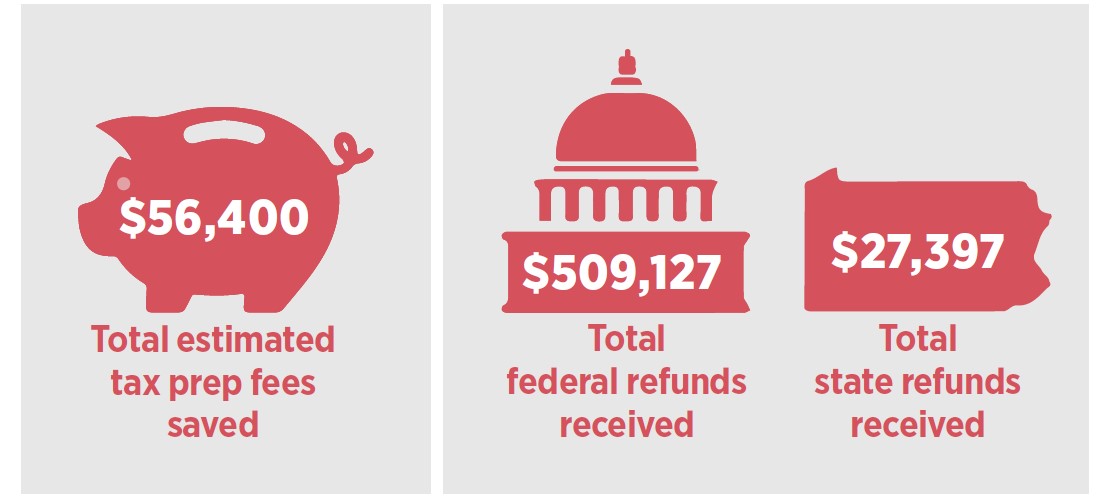
The Allegheny County Department of Human Services (DHS) offers free tax preparation services at its downtown location for income-eligible County residents. This data brief provides a summary of DHS’s 2019 tax assistance service, the taxpayers using the service and the volunteers who were involved. Data is from participants’ tax returns with additional information self-reported by participants.
Click here to read the report.
The Allegheny Family Screening Tool (AFST) is a predictive risk model designed to improve decision-making in Allegheny County’s child welfare system. The tool utilizes hundreds of data elements to predict the likelihood that a child referred for abuse or neglect will later experience a foster care placement. The AFST provides additional information – in conjunction with clinical judgement – to assist child welfare workers making a call screening decision.
After a multi-year process that included rigorous research, community feedback, and independent ethical review, Version 1 of the AFST started being used by call screeners in August 2016. Findings from an independent impact evaluation and a commitment to continuous improvement of the tool led to a rollout of Version 2 in December 2018 that updated the algorithm, data sources, and associated policies.
View a comprehensive packet on the AFST that provides all of the County’s published research and partner evaluations to date or select from the following documents: